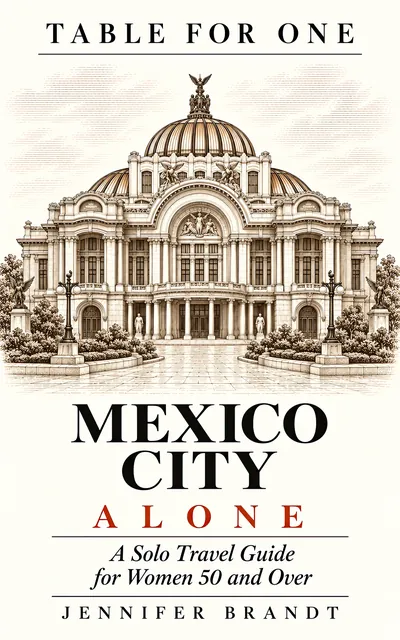
Mexico City Alone
Mexico City, neighborhood by neighborhood.
$6.99 · EPUB ebook
Explore the guide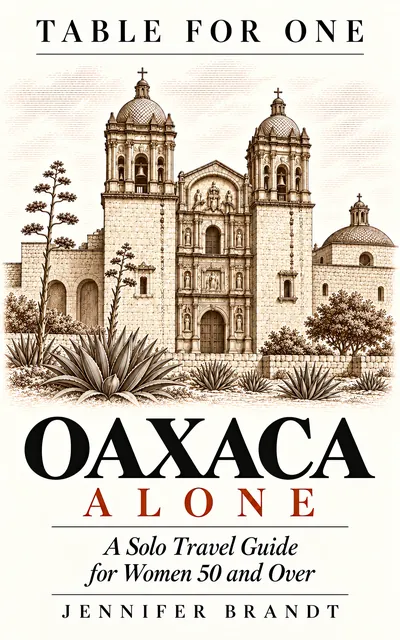
Mexico · Available now
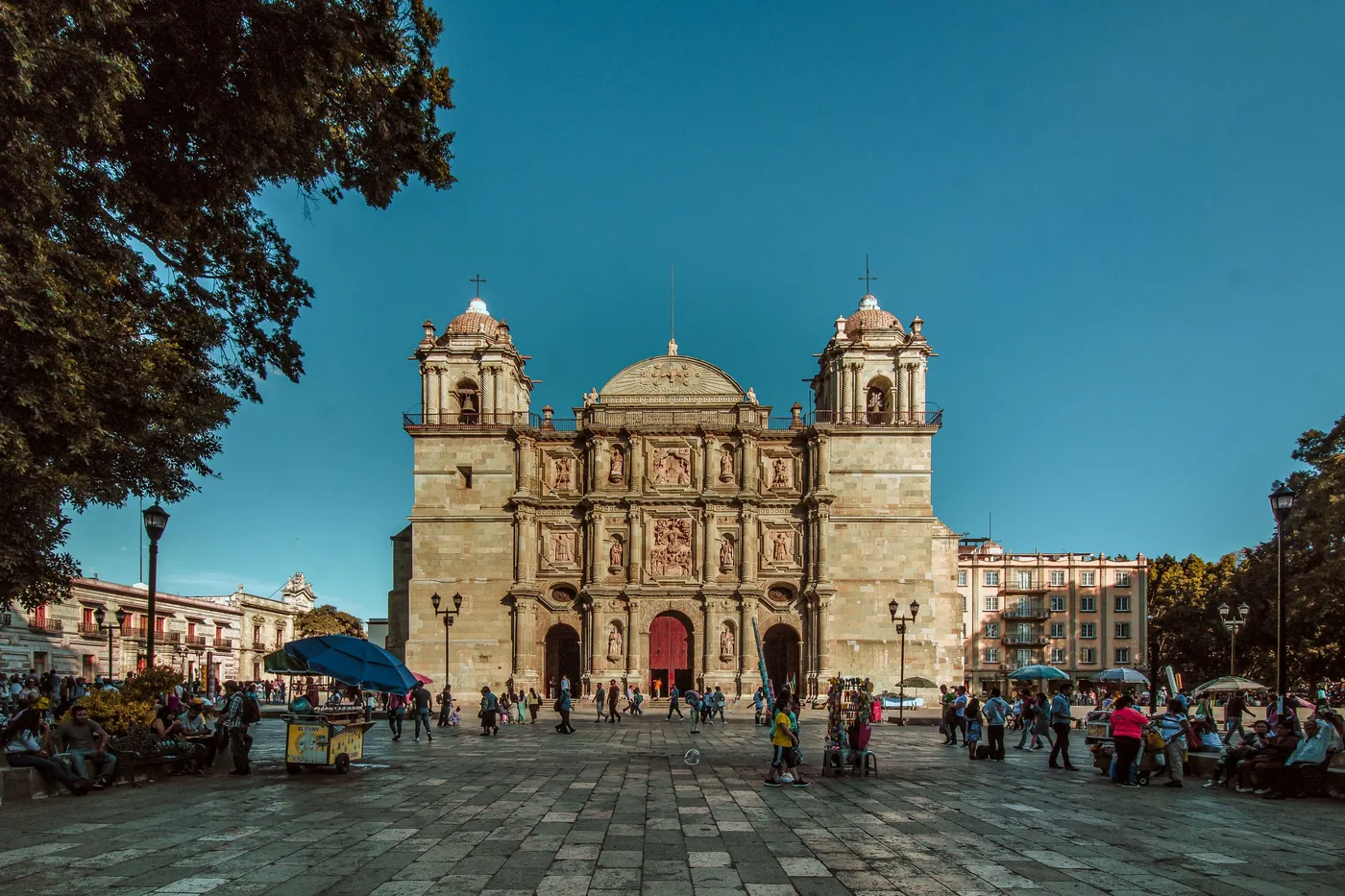
Oaxaca's colonial center is built of green cantera stone, and the black pottery and woven rugs sold here come from valley villages like San Bartolo Coyotepec and Teotitlán del Valle. Follow one craft out of town.
$6.99 ebook
Ebook · Updated Q4 2026
EPUB ebook: opens in Apple Books, Google Play Books and Kobo. On Kindle, use Send to Kindle (free, two minutes).
Spotted something out of date? Tell us.
SAMPLE
Mexico City gets the headlines. Oaxaca gets the people who come back. It is a smaller, quieter proposition: a colonial city of green cantera stone set in a highland valley, ringed by mountains, built as the capital of a state that is home to more Indigenous language groups than any other in Mexico. That fact is not decoration. It is the reason the city eats the way it does, sells the crafts it sells, and feels, even after a single afternoon, like the surface of something much larger.
Put plainly, Oaxaca is a walkable colonial city and the capital of an intensely Indigenous state. Almost everything worth traveling for here (the food, the textiles, the mezcal, the black pottery of San Bartolo Coyotepec, the rugs of Teotitlán del Valle) was made somewhere else, in villages across the valley, and brought into the city to be sold, eaten, and admired. Oaxaca de Juárez, the city proper, is a market town and a stage. The valley is the workshop. Understanding that distinction early will change how you plan your days.
A free excerpt from Oaxaca Alone.
PRACTICAL SAMPLE
The single most useful skill to bring to Oaxaca is comfort eating at a market counter, because this is where the city’s best and cheapest food is served, and it is served in a format built around solo diners as a matter of course. At Mercado 20 de Noviembre and Mercado Benito Juárez, both a short walk from the Zócalo, you order at a stall, take a numbered stool at a shared counter, and eat next to whoever else is there, tourists and residents both, with no expectation of conversation and no awkwardness if you would rather read or people-watch. The pasillo de humo, the smoke passage at 20 de Noviembre where grilled meats are cooked over charcoal and served with fresh tortillas and salsas, is the best-known version of this, but every neighborhood market in the city runs on the same model at a smaller scale. Point at what you want if your Spanish is thin; the transaction works perfectly well without much shared vocabulary.
A free excerpt from Oaxaca Alone.
Inside this book
BUY THE GUIDE
Oaxaca's colonial center is built of green cantera stone, and the black pottery and woven rugs sold here come from valley villages like San Bartolo Coyotepec and Teotitlán del Valle. Follow one craft out of town.
$6.99 ebook
Ebook · Updated Q4 2026
Instant download · Secure checkout by Payhip
Get new guides and one practical solo-travel idea every two weeks.
THE GUIDE + YOUR OWN PLANS
A map of 21 numbered places, and three bases to weigh: Centro, Jalatlaco and Xochimilco.
See inside the Oaxaca kit →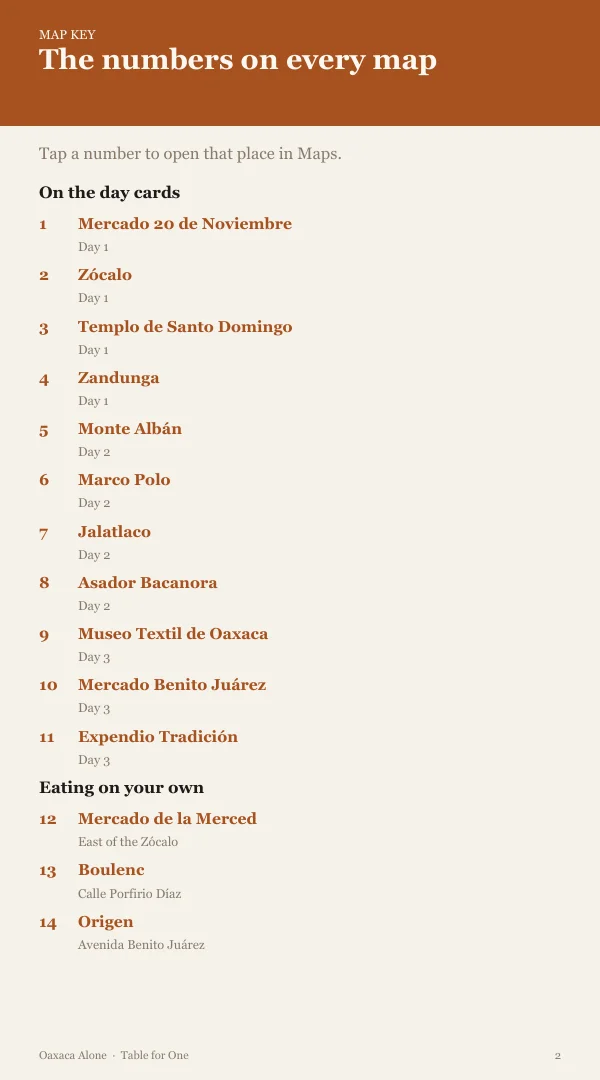 Read the free 3-page sample (PDF) →
No. The guide stands on its own. The kit is a separate, optional pack of decisions, day plans and a booking list. Read the free 3-page sample to see whether it suits the way you plan.
Mexico City, neighborhood by neighborhood.
$6.99 · EPUB ebook
Explore the guide
Mérida, cenotes, markets and Calle 60.
$6.99 · EPUB ebook
Explore the guide
Puerto Vallarta, sunsets on the Malecón.
$6.99 · EPUB ebook
Explore the guide
San Miguel, around the Jardín.
$6.99 · EPUB ebook
Explore the guide